Future demands on basic research will continue to drive the growth of the Max Planck Campus. Construction will take place in a green environment with modern infrastructure.

The expansion of the Max Planck Institute for Biological Cybernetics, scheduled for completion in 2030, will open up new opportunities for research while integrating and connecting the existing buildings. The new buildings will be flexible and adaptable to enable a variety of uses and to meet the future construction requirements of basic research.

New paths and green spaces will connect existing and novel research buildings as well as shared areas. These include, in particular, the Max Planck House, an event and guest center that will serve as a hub for scientific exchange and social interaction on campus.
 

News

With the start of excavation work for the new buildings of the Max Planck Institute for Biological Cybernetics, the Max-Planck-Ring will be closed to through traffic in the construction zone starting July 27, 2026. This is due to safety risks for all ...

On April 27, 2026, the parking lot and the parking deck in the northwest corner of the Max Planck Campus will be closed as part of demolition work. These areas are being cleared to make way for the new research building of the Max Planck Institute ...

Basic neuroscience research has become increasingly diverse in recent decades. For this reason, two extension buildings for the Max Planck Institute for Biological Cybernetics will be constructed by the end of 2029. They will be built on land in the ...
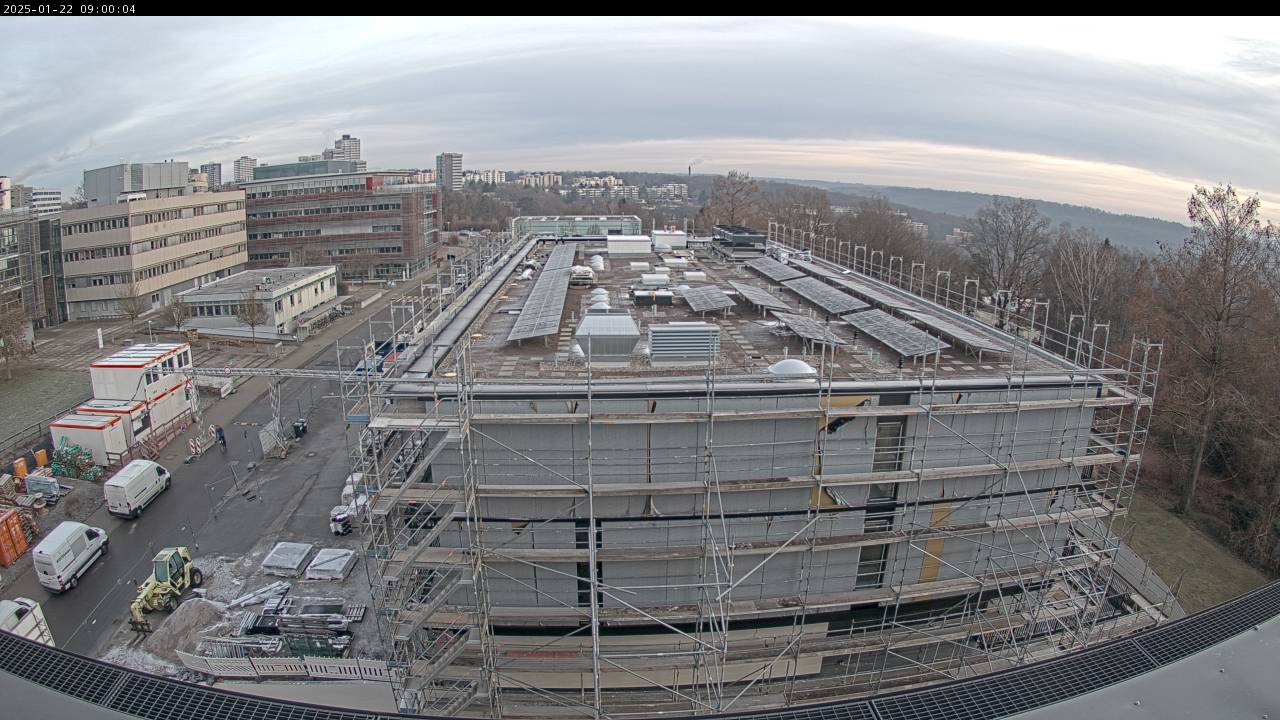
Construction site with a view from the southwest toward the northeast
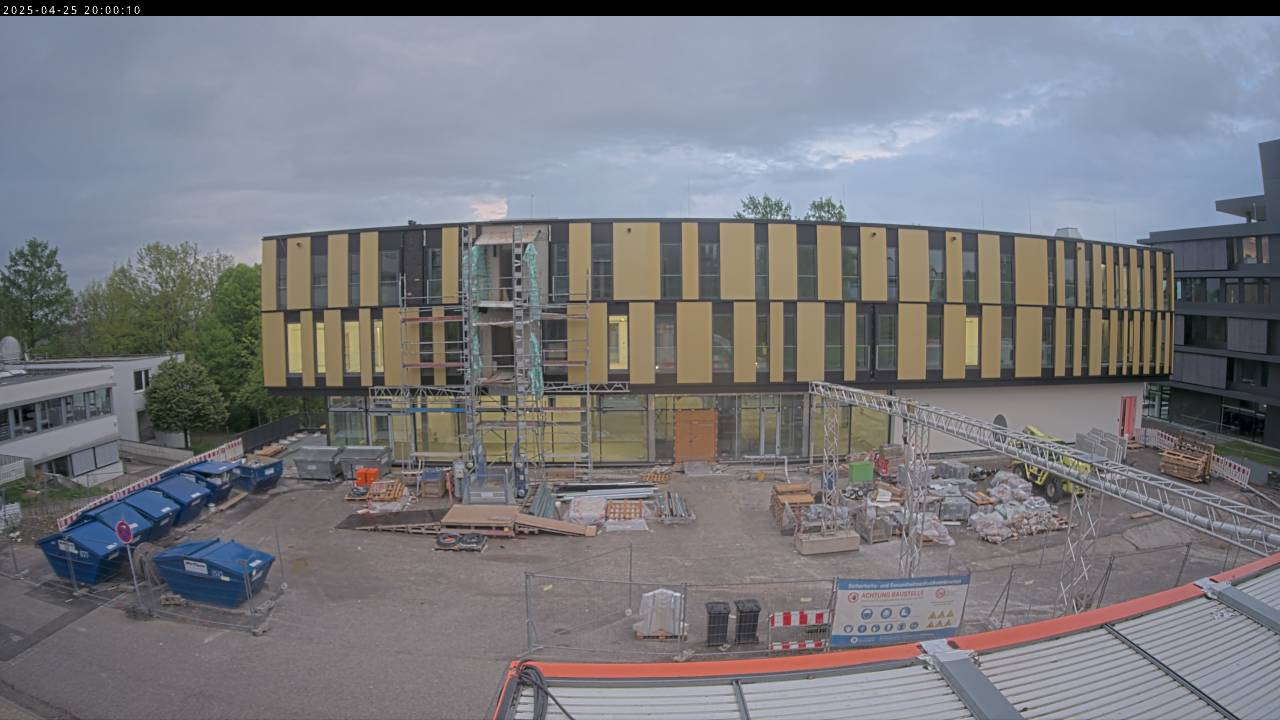
Construction site with a view from the southeast toward the northwest

The Max Planck Campus Tübingen

A Site for People and Leap Innovation in Basic Research

Shaping the Future

Research Buildings of the Max Planck Society

Digitalization

Digital Processes Speed Up Projects
Go to Editor View